Where Does the Sound Go When It Stops?

About this course
This course uses sound as a metaphor to explore how systems behave when noise disappears. When sound ends, energy doesn’t vanish—it dissipates, reorganizes, or becomes imperceptible. The same principle applies to the nervous system, cognition, and cellular environments.
Course curriculum
1.
Course Contents
10 lessons
- 1
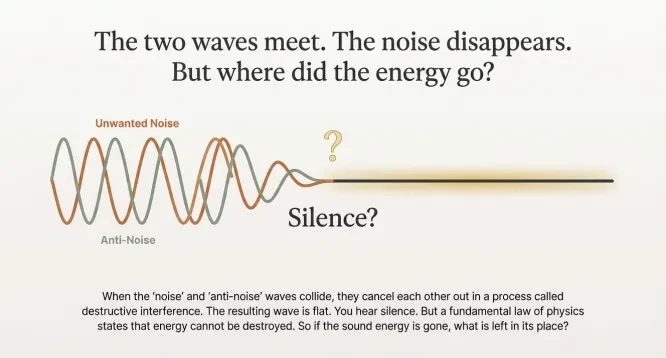
When Noise Cancels: What Happens to Energy When Silence Appears
- 2

Scalar Explained: When Energy Stops Traveling and Becomes a Field
- 3

Cellular Energy Basics: Why Voltage Matters for Health
- 4
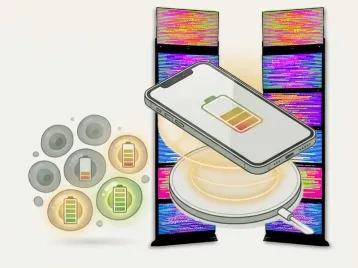
Cellular Recharging: How Field Environments Support Cellular Energy
- 5
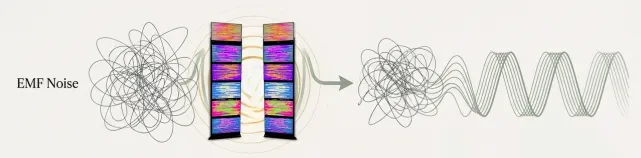
Coherence and Rhythm: How the Body Returns to a More Stable Signal
- 6
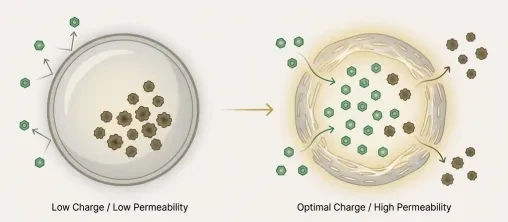
Cell Membrane Function: How Energy Supports Nutrient Intake and Waste Removal
- 7

Visualizing Energy Emissions: What Kirlian Photography Shows
- 8
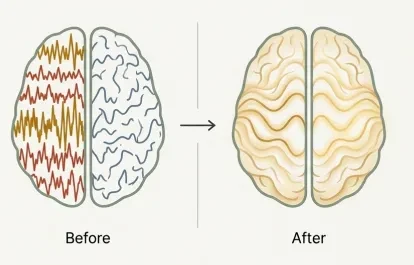
EEG Changes Explained: How Brain Activity Shifts Toward Balance
- 9
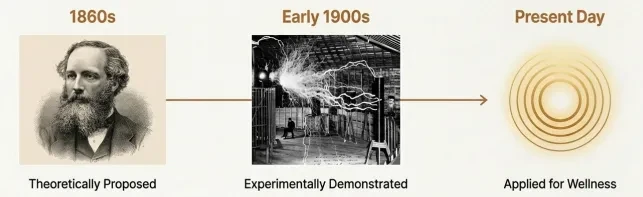
From Theory to Application: The Evolution of Scalar Energy Concepts
- 10

Returning to Balance: Harmony, Energy, and Human Potential

Where Does the Sound Go When It Stops?
Silence is usually treated as absence—nothingness. But in physics, biology, and human perception, silence is not empty. It is a condition where interference is removed and underlying structure becomes noticeable. This course uses sound as a metaphor to explore how systems behave when noise disappears. When sound ends, energy doesn’t vanish—it dissipates, reorganizes, or becomes imperceptible. The same principle applies to the nervous system, cognition, and cellular environments.
Free
4 members