posted in
Getting started without blowing the budget.
Is this a hobby that you might be interested in? If so then I might be able help you get started on a budget.
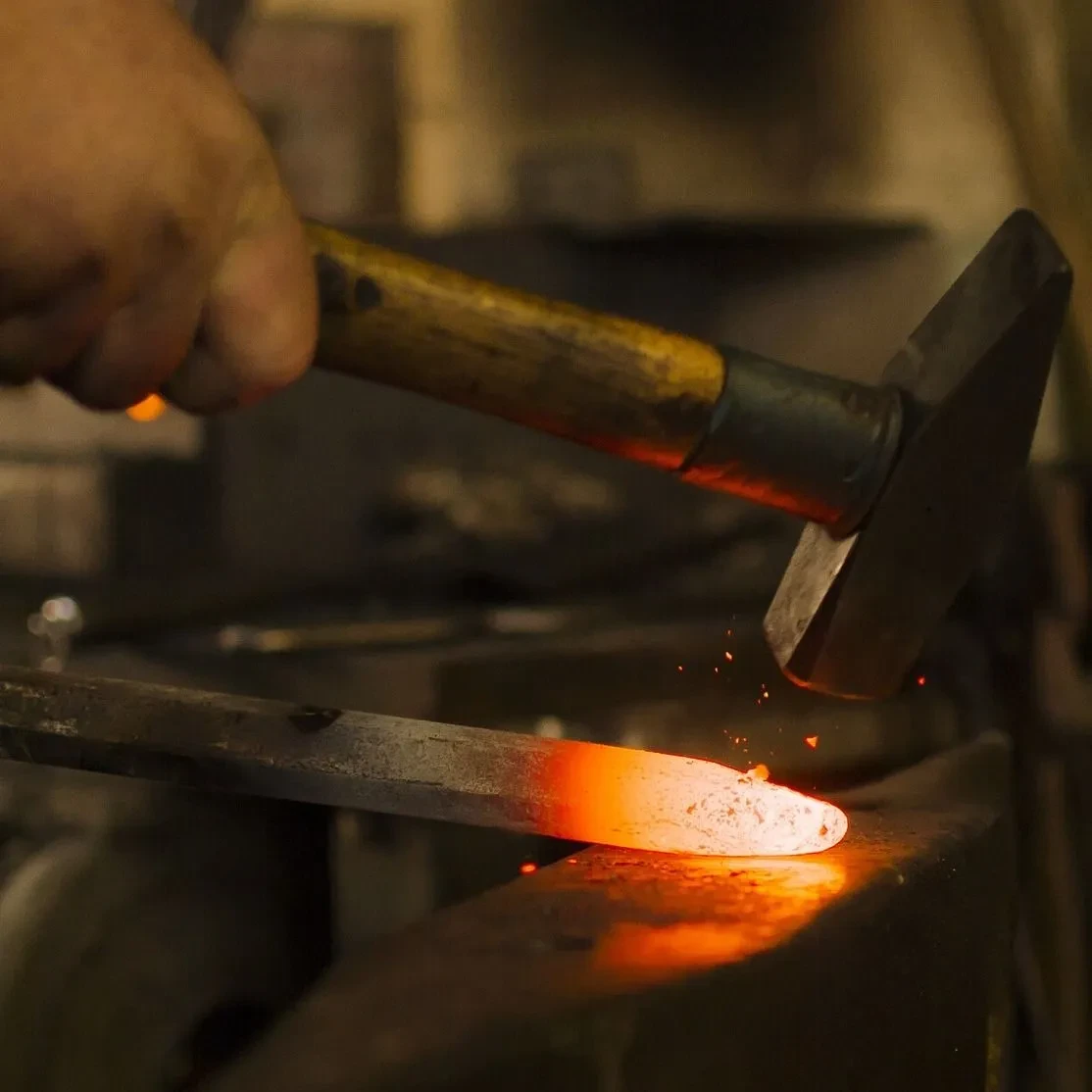
A few things you will need to get started are going to be a heat source(forge), a flat surface to pound on(anvil), another flat surface to swing(hammer), and tongs so you don't squish your fingers.
Beginner forges can be found on amazon for around $200 or less. This price will really depend on how many burners plus numerous other features that may not be as important right now.
Another thing to consider after buying a forge is how are you going to supply fuel. I prefer propane because of the convenience and less likelihood of getting to hot and damaging what I'm working on. If you have easy access to natural gas that is also an option though setup will likely be more expensive up front. Coal is the last realistic option that you might use though this require more skill and a drastically different type of forge setup. I wouldn't personally recommend coal just because of the mess and myriad other issues that it can cause.
When we are talking propane we will want to reduce this cost as much as we can. This can be done by getting tanks refilled vs. buying prefilled tanks at Lowe's, Home Depot, etc. These tanks are only filled to 14, 15, or maybe even 16 pounds of propane. This number will continue to get lower in order to keep the cost low at the store. You can take that same 20 pound tank to somewhere like U-Haul or Tractor Supply and get it filled to it's full capacity for what is usually less than the same prefilled tank. The only thing you have to look for on your tank is when the certification date is. This is usually on the upper tank guard and will probably jus be a stamped month and year code. I believe that it is good for 7 years from that date. After that it has to be recertified in order to be refilled legally. You can buy brand new tanks form many places but you are up charged quite a bit for not buying any propane with that tank. I prefer to play tank lottery with the prefilled ones and hope to get one that I can reuse for at least a couple of years before I swap it back for another prefilled one. It might make sense in the future to upgrade to 100 pound tanks but the difficulty in moving those around when full might be a hindrance.
The anvil was one of the hardest things for me to source initially. Brand new anvils from reputable manufacturers can be anywhere from $6 to $8 or more per pound. Heavier is better so you can do the math and see that a 100 pound or more anvil can get really expensive really quickly and people that are sitting on "antique anvils think they have a gold mine right now. Older anvils can be great if you can get a good deal but the idea that older anvils were made better is just an outright lie. Metallurgy and manufacturing processes have come a long way in the last 100 years or more and while many great anvils were made in the past they were not always consistently good. It is far easier for manufacturers to consistently produce good anvils now than it was in the past.
The anvil I have ultimately settled on until my budget increases dramatically is the Harbor Freight Doyle 65lb cast steel anvil. While it wasn't quite as heavy as I wanted it is adequate for the kind of tinkering that I have been doing so far. Between the chains and the base that I put it on I have been able to increase the weight a bit more. The base you are going put this anvil on is also important. Traditionally many have used cut logs as a sturdy base to attach an anvil. If you have a local tree cutting service you might be able to get a free log from them or have something on your property already. I got a little more creative and put an old water heater stand on wheels so that I could be a little mobile around my workspace.
When it comes to hammers, many may think that bigger is better. While it is true that you can move more steel with a heavier hammer this is only true if you can swing it accurately and consistently. It is far better to start with a 2-pound hammer that you can consistently place on the workpiece than a four or five-pound hammer that wears you out in five minutes. It is far better to practice with something that you can manage now and build up to using something heavier. There is also an increased risk of injury if you are using a heavy hammer that you have little to no control over. You can buy fancier hammers later on if you choose to or many may tell you that you "need" to make your own. If that is what is scaring you away from trying this out don't let somebody shame you away from this skill. I'm nervous about making my own tools in the future but that hasn't stopped me from making a few cool things.
Tongs can be bought easily on amazon until you get comfortable enough to make your own. I certainly haven’t gotten there yet but I have certainly seen situations where I could have used something just a little bit different than what I’ve purchased. This will drive you to want to make your own tools for the situations that you find yourself in.
All of these things can be done for under $500 to get started if you are willing to shop around for good deals and use any coupons that you can at Harbor Freight.
The one thing I didn’t really touch on was where to get steel to work on. That’s because everyone’s situation is going to be a bit different. I was lucky to have a little bit of scrap wrought iron to play around with but I’m going to have to find another local source. I have a steel shop relatively close to me but a scrapyard can also be a good source. You are going to look for things like truck leaf springs and coil springs are good places to start if you can get to them easily. This is one of those areas where you will just have to be creative. If you need a specific kind of steel for a project then you may have to buy it new. Otherwise, you might be able to source it from other places that will cost you less in the long run.
Let me know in the comments if you need any help or have any questions or suggestions for others!